
WWW.FLASHLIGHT3D.COM · DIGITAL HEALTH · SAN DIEGO, CA
Blog Company Updates

What we're building.

Progress notes from the team building Flashlight 3D.

Building Flashlight

We built an AI that remembers everything. Now we're deciding what to ask it.

August 7, 2026 · Flashlight 3D · 2 min read

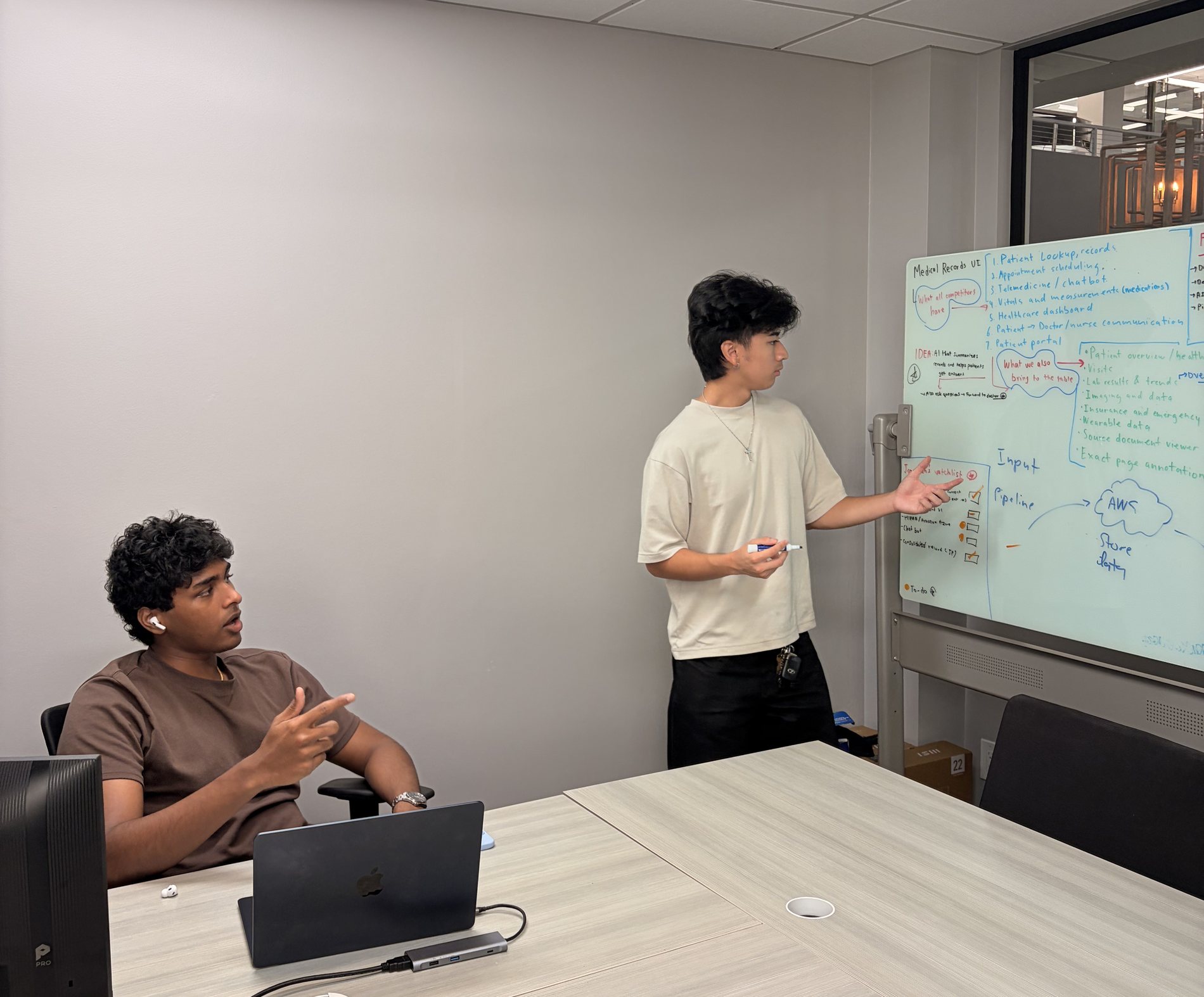
A teammate works at a laptop while the founder sketches a workflow on the whiteboard during a team working session in San Diego.

A working session at our office in San Diego.

Chippy is live internally at our company, and it has been part of our company for weeks.

Show moreShow less

Chippy is live internally at our company, and it has been part of our company for weeks.

It sits on our meeting transcripts, our documents, and our decisions. It tracks what we're working on, what we've already figured out, and what's supposed to happen next. When someone needs to know why we filtered a variant class the way we did in July, or what we decided about a data-handling question three meetings ago, they ask Chippy instead of scrolling through hundreds of notes.

For a company this size, that's already worth it. Institutional memory doesn't usually survive a startup's first year: decisions get made, contexts get lost, and six months later nobody can reconstruct the reasoning behind something everyone is now building on.

The focus of our energy is not technical anymore. It is on ensuring that Chippy is offering assistance that is uniquely valuable.

Right now, it's a company brain. It could be a research assistant, an onboarding system, a project manager that actually knows the project. Each of those is a different aspect of the product, and we'd rather find out which one is useful by living with it than by guessing on a whiteboard. Intern Angel Mencia has been working diligently to develop the AI agent at a technical level. He is joined by intern Nirel Indurkar, leading the AI Alignment process to ensure that all of Chippy's policies and instructions are valid and data is protected. Angel performs the complex work of thoughtfully implementing these policies into the Chippy system. Intern Sathvik Guntha has been working on the skills of Chippy, making sure that Chippy knows how to do the specific jobs we actually ask of it. Each skill is a written procedure the agent loads when a task calls for it, like how to structure a meeting summary, how to answer a question about a past decision and cite where it came from, how to take a research request and hand something useful back.

There's also a longer thread here: Chippy is a system that takes a large pile of unstructured information about an entity and makes it answerable, with sources attached. That's the same problem as a person's medical records. It's the same problem as a genome. We're working on solving it.

Building Flashlight

Everyone has a piece of your medical record. Nobody has all of it.

August 1, 2026 · Flashlight 3D · 2 min read

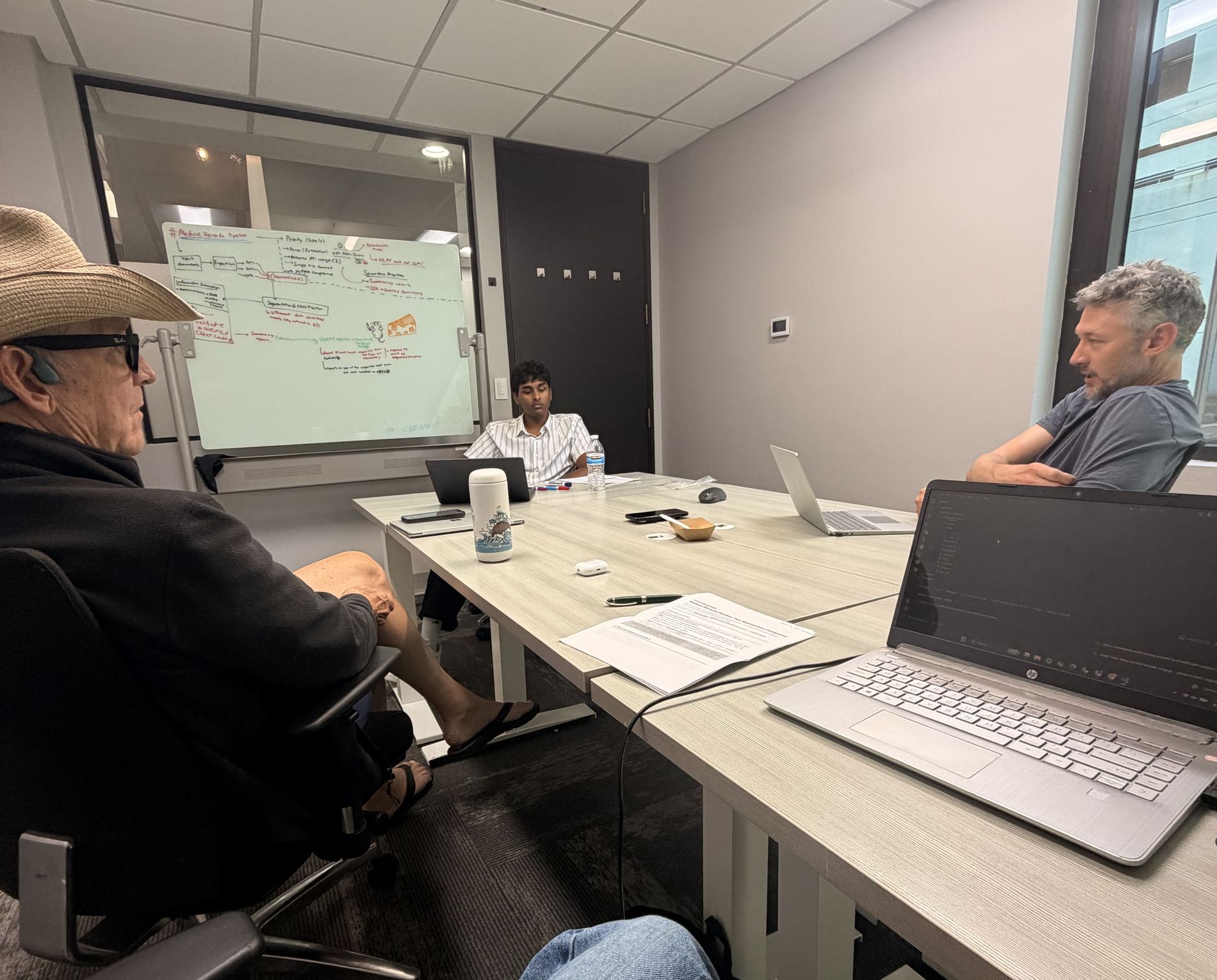
Team members review the medical-records pipeline sketch on the whiteboard during a working session in San Diego.

Reviewing the medical-records pipeline during a team working session, San Diego.

The medical records pipeline is close to prototype.

Show moreShow less

The medical records pipeline is close to prototype.

A person's medical history is rarely in one place. It accumulates across primary care offices, specialists, hospitals, imaging centers, and labs, each maintaining its own record in its own system, none of which reliably talks to the others. The result is that the patient is the only one with a complete picture, and they hold it in memory rather than in a file. When something serious happens, that arrangement fails. Clinicians make decisions from partial charts. The same questions get answered on a clipboard at every visit. Imaging travels between institutions on a disc in someone's car. Errors introduced in one system propagate into others and can change what treatment a person qualifies for. Families end up doing the integration work themselves, calling records departments and re-explaining a history to each new specialist, and how well they do it depends largely on whether someone among them has the time and the technical background to manage it. A medical records pipeline is the attempt to make that work automatic: ingesting records from every source a person has, reconciling them into a single coherent history, and making that history answerable in plain language. The goal is not to replace clinical judgment but to ensure that the person receiving care, and everyone treating them, is working from the same complete picture.

Our intern Sathvik Guntha leads this project, joined by intern Andrew Pham. They have been methodologically tracking how data travels from input to the final product. Medical records were never designed to be read by anything other than a human being with the time to read them. A single person's history might live across four institutions in several formats, from scanned PDFs where the text is really an image, faxes of faxes, portal exports with column headers that mean one thing at one hospital and something else at another. Dates in three formats. Units that shift between systems. The same medication under a brand name in one document and a generic in the next.

Our team is ensuring that all results are verifiably accurate during this stage of product development.

Building Flashlight

Building the pipeline was the easy part

July 25, 2026 · Flashlight 3D · 2 min read

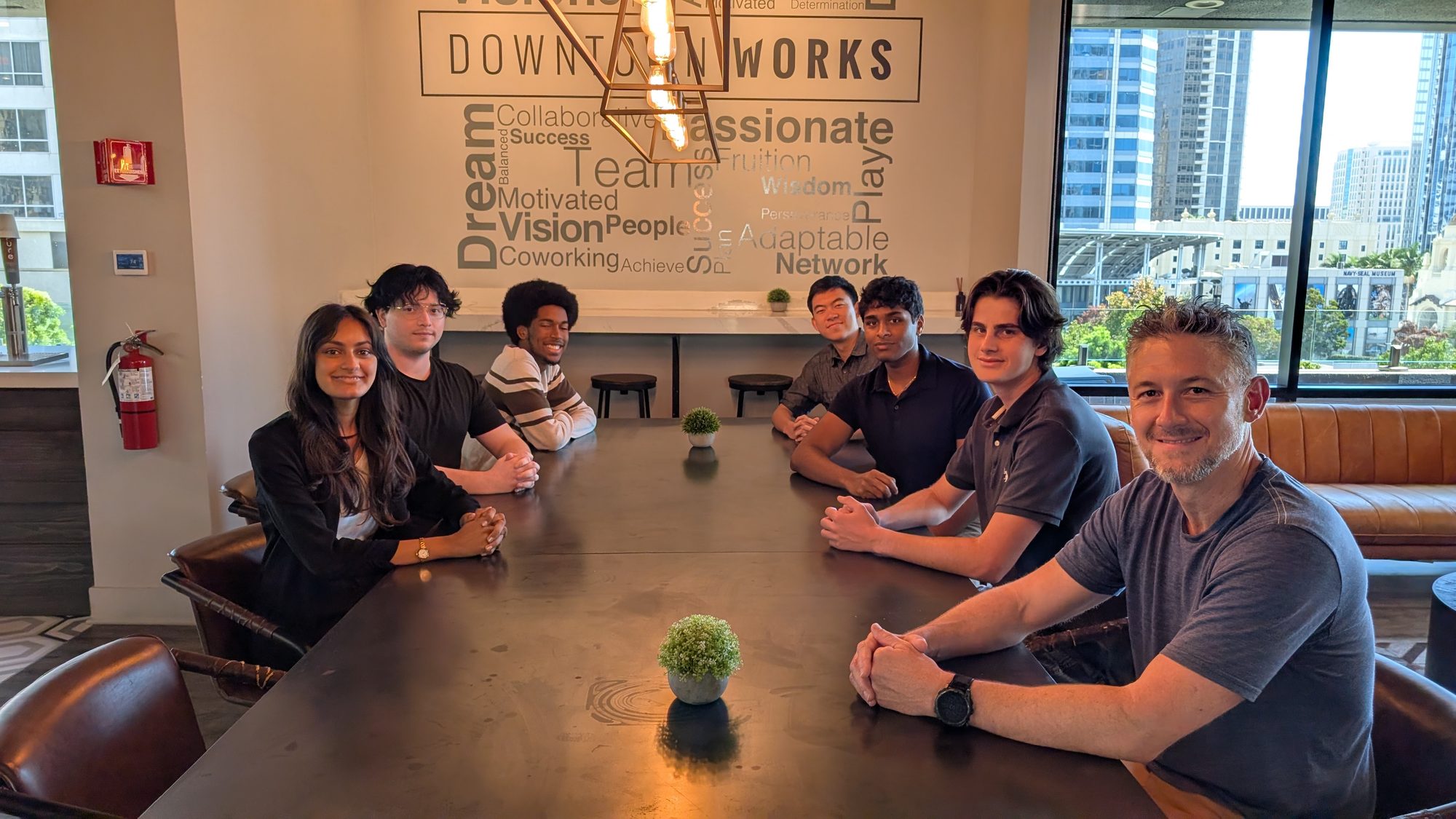
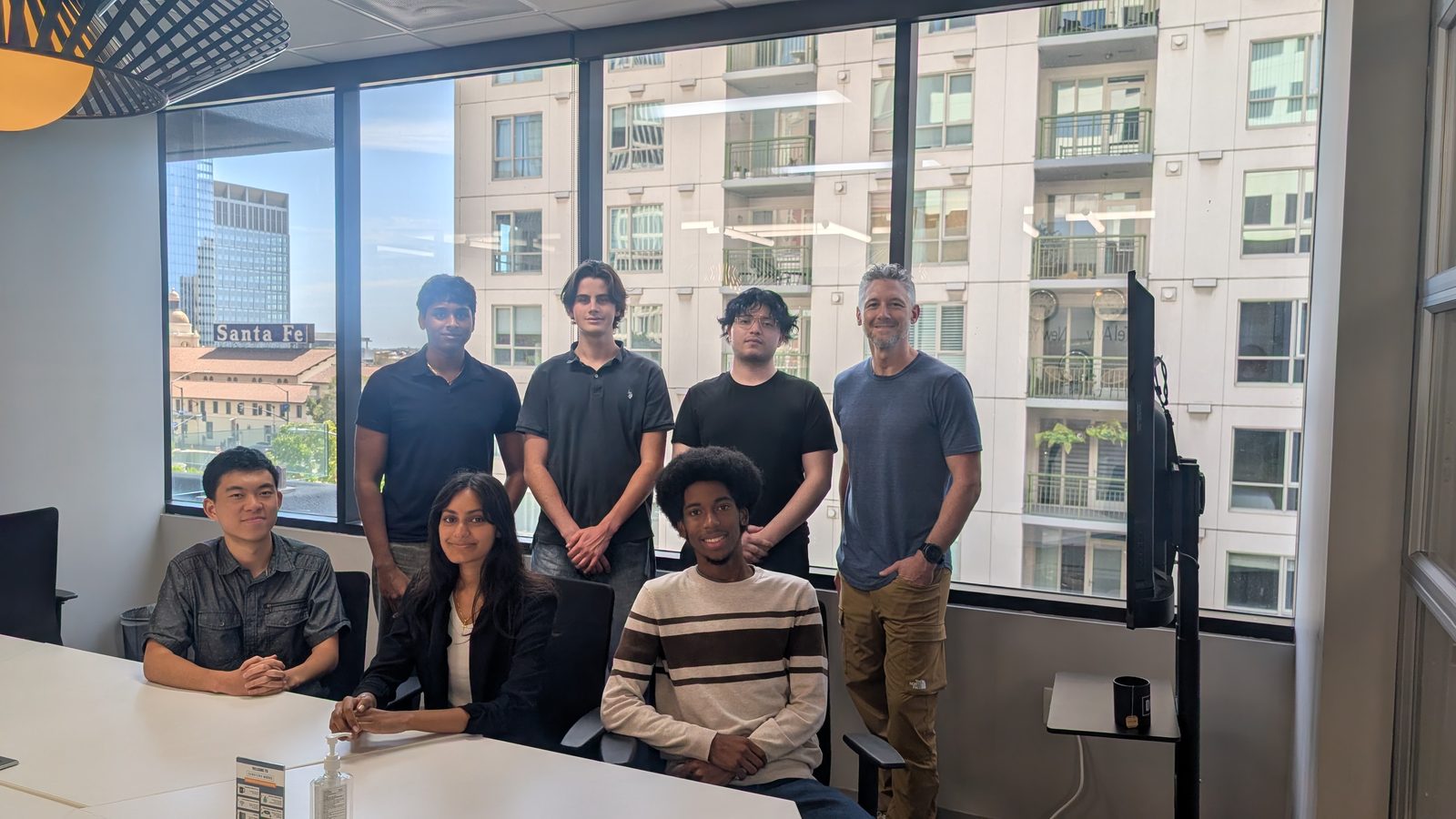
The Flashlight 3D founder and six-person summer intern cohort seated together around a conference table in San Diego.

Peter Wang, Max Arola, and Dru Johnson are leading validation this month.

The pipeline is built. A whole genome sequence goes in, and a variant report comes out the other side, filtered, annotated, cross-referenced against ClinVar, ClinGen, OMIM, Orphanet, and the ACMG actionable gene list. Sathvik Guntha led the initial sprint and developed the pipeline integrating these various trusted databases.

Show moreShow less

The pipeline is built. A whole genome sequence goes in, and a variant report comes out the other side, filtered, annotated, cross-referenced against ClinVar, ClinGen, OMIM, Orphanet, and the ACMG actionable gene list. Sathvik Guntha led the initial sprint and developed the pipeline integrating these various trusted databases.

Assisted by Peter Wang, Nirel Indurkar, and Max Arola, this phase took a few weeks. Proving it's right will take longer, and it should.

A whole genome carries millions of variants. Almost all of them are noise, and the entire value of a report like this is the small number that aren't. Which means the failure mode isn't a report that doesn't generate: it's a report that generates smoothly and confidently tells someone the wrong thing. A tool nobody trusts is useless. A tool people trust that shouldn't be trusted is worse.

So this month, Peter Wang and Dru Johnson are in validation. They're running known samples through the pipeline and checking the output against expected results, variant by variant. Where a classification is uncertain, they trace it back to the source. Where the filtering logic drops something it shouldn't, they find out why.

Company News

Flashlight 3D develops unified personal health-information platform

July 20, 2026 · Flashlight 3D · 1 min read

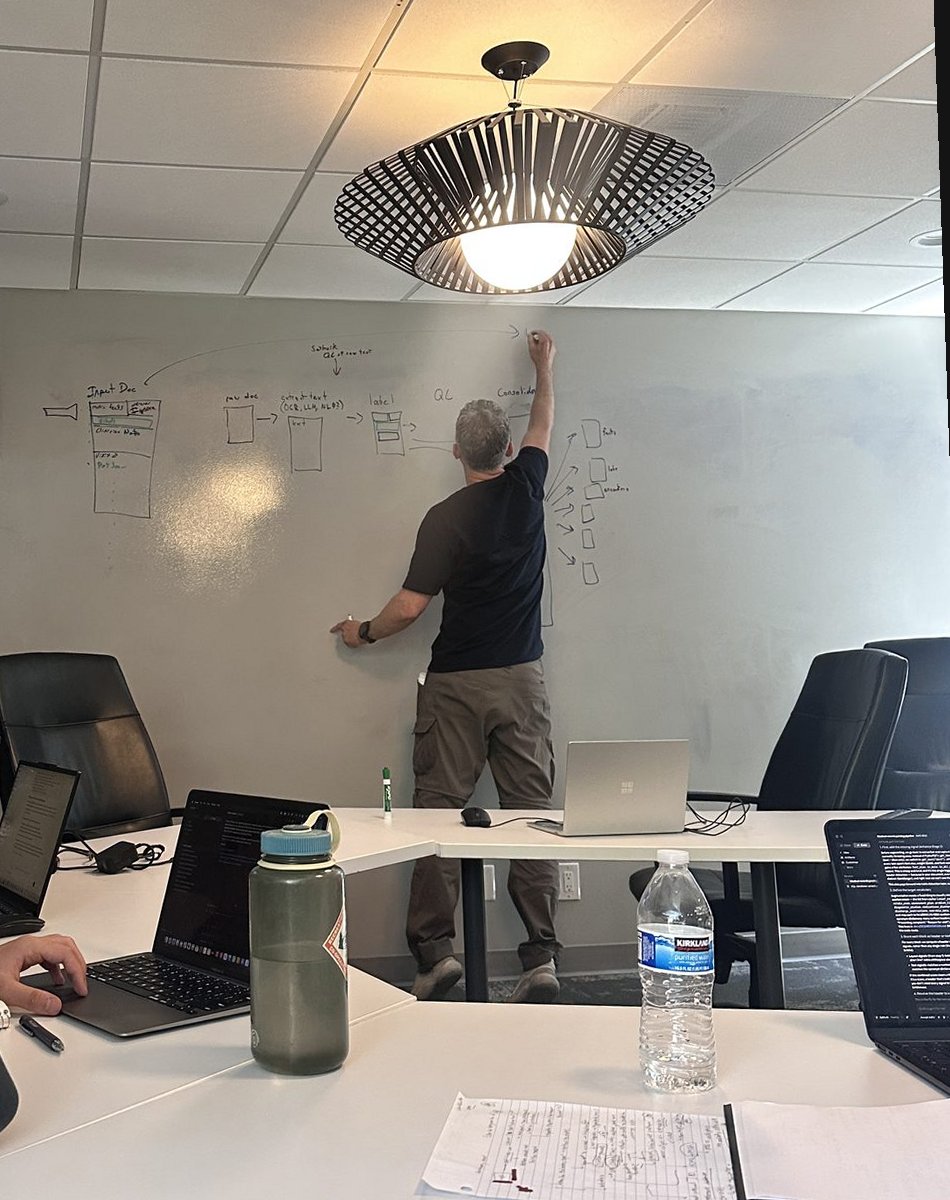
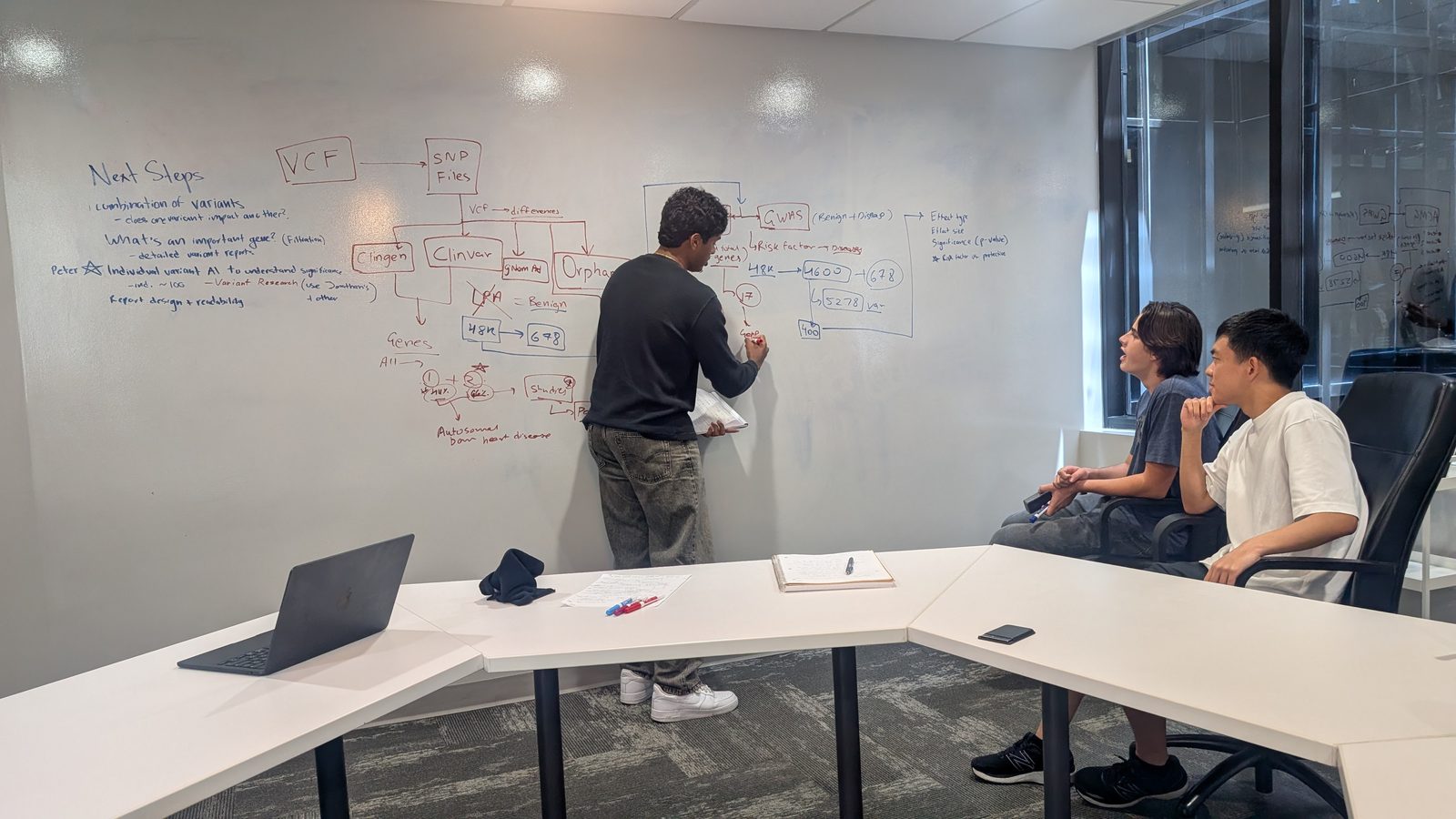
A whiteboard sketch of the genomic variant-annotation pipeline, from VCF and SNP files through ClinGen, ClinVar, and Orphanet, drawn during a team working session.

Working through the variant-annotation pipeline on the whiteboard, San Diego.

Flashlight 3D is developing an AI-assisted system intended to consolidate medical records, wearable signals, laboratory reports, and genomic information into a user-controlled longitudinal record.

Show moreShow less

Flashlight 3D is developing an AI-assisted system intended to consolidate medical records, wearable signals, laboratory reports, and genomic information into a user-controlled longitudinal record.

"I started Flashlight 3D to pull together my passions and experience: data science, mentoring young developers, education and workforce development, health and life science, saving lives." —Jonathan Price (Founder & CEO)

Company News

Flashlight 3D welcomes six interns for Summer 2026 development cohort

July 20, 2026 · Flashlight 3D · 1 min read

The Flashlight 3D founder and the Summer 2026 intern cohort gathered together in San Diego.

The Summer 2026 cohort, on site in downtown San Diego.

Flashlight 3D has launched its Summer 2026 internship cohort with six interns working alongside the company to prototype the Genomic Sequencing Pipeline, an AI-assisted genomic information tool currently in development. Pictured from left to right: (bottom row) Peter Wang, Nirel Indurkar, Dru Johnson; (top row) Sathvik Guntha, Max Arola, Angel Mencia, Jonathan Price.

Show moreShow less

Flashlight 3D has launched its Summer 2026 internship cohort with six interns working alongside the company to prototype the Genomic Sequencing Pipeline, an AI-assisted genomic information tool currently in development. Pictured from left to right: (bottom row) Peter Wang, Nirel Indurkar, Dru Johnson; (top row) Sathvik Guntha, Max Arola, Angel Mencia, Jonathan Price.

Beginning July 20, the cohort will contribute across genomic data processing, sequence annotation, artificial intelligence, application development, user experience, and responsible product design.

The internship program gives participants hands-on experience developing early-stage medical-informatics technology while contributing to product evaluation, documentation, privacy, safety, and communication.