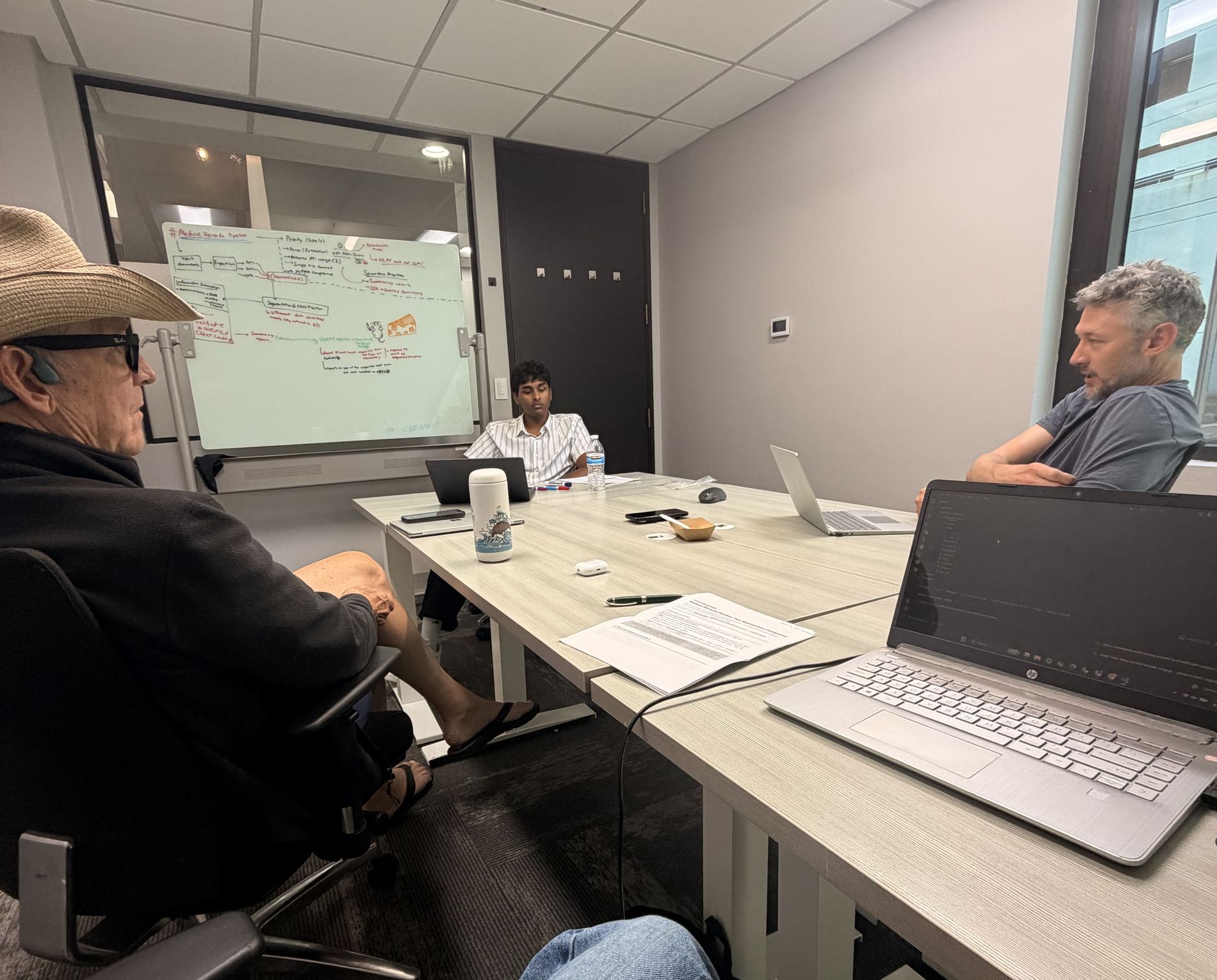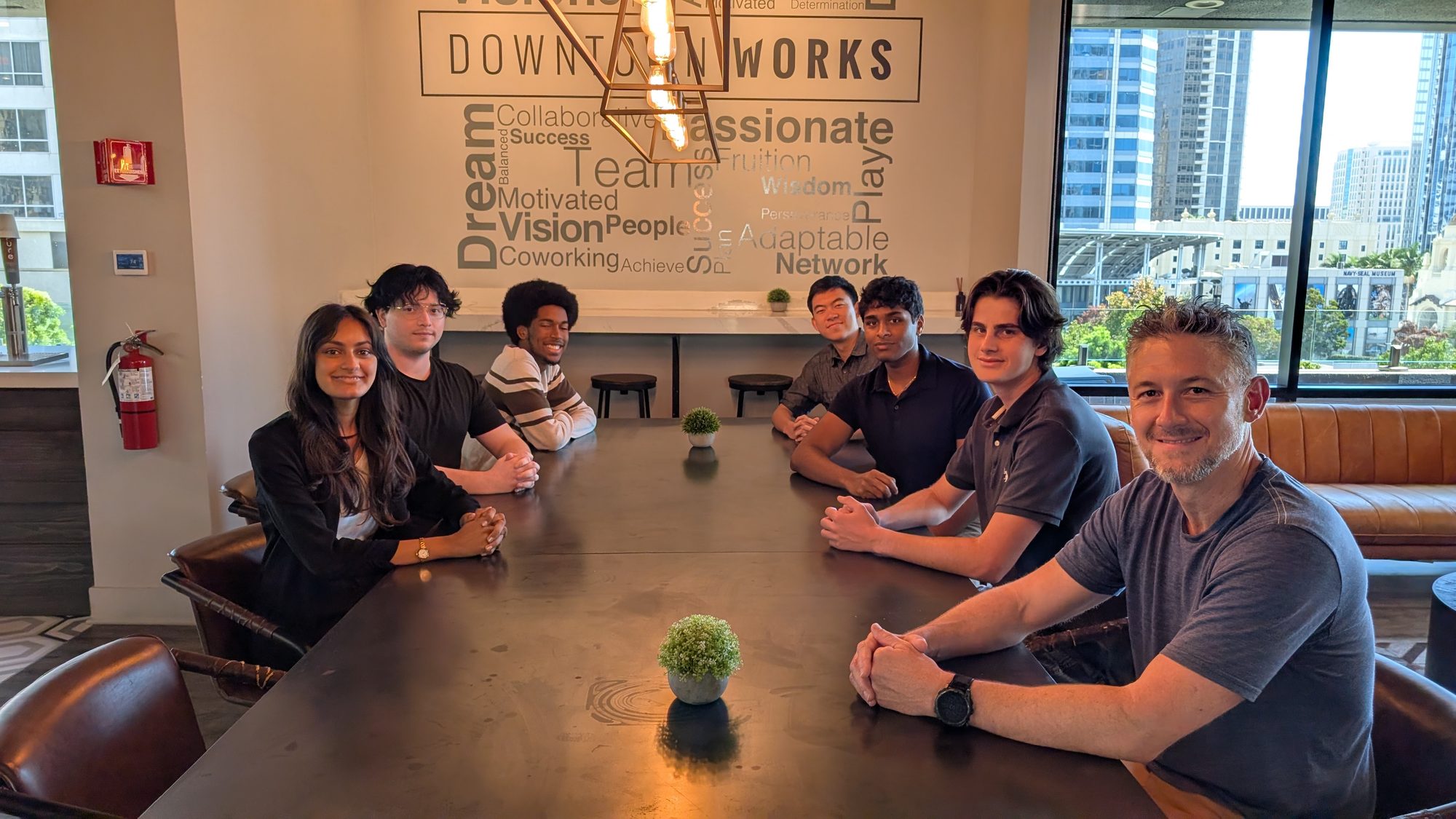

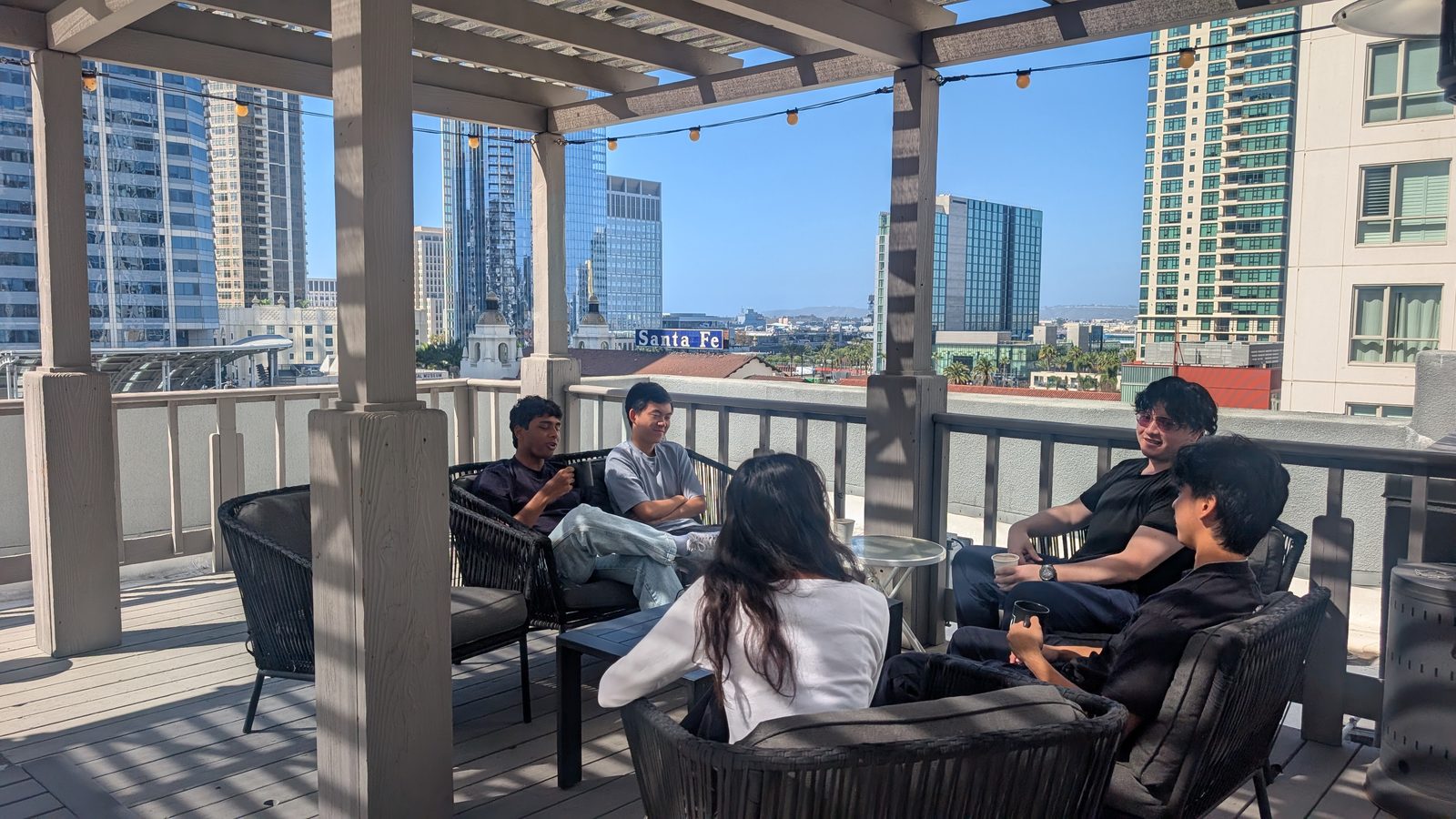
The team engaged in our weekly rooftop chats.
Summer 2026: What We Built at Flashlight 3D
A look into what the Summer 2026 intern cohort accomplished.
Show moreShow lessCompany News
This summer, Flashlight 3D's interns worked across medical records, genomics, agentic systems, product design, and company communications. Early ideas and half-built workflows turned into systems the team could actually test and keep improving. Just as important, everyone had real ownership over what they built.
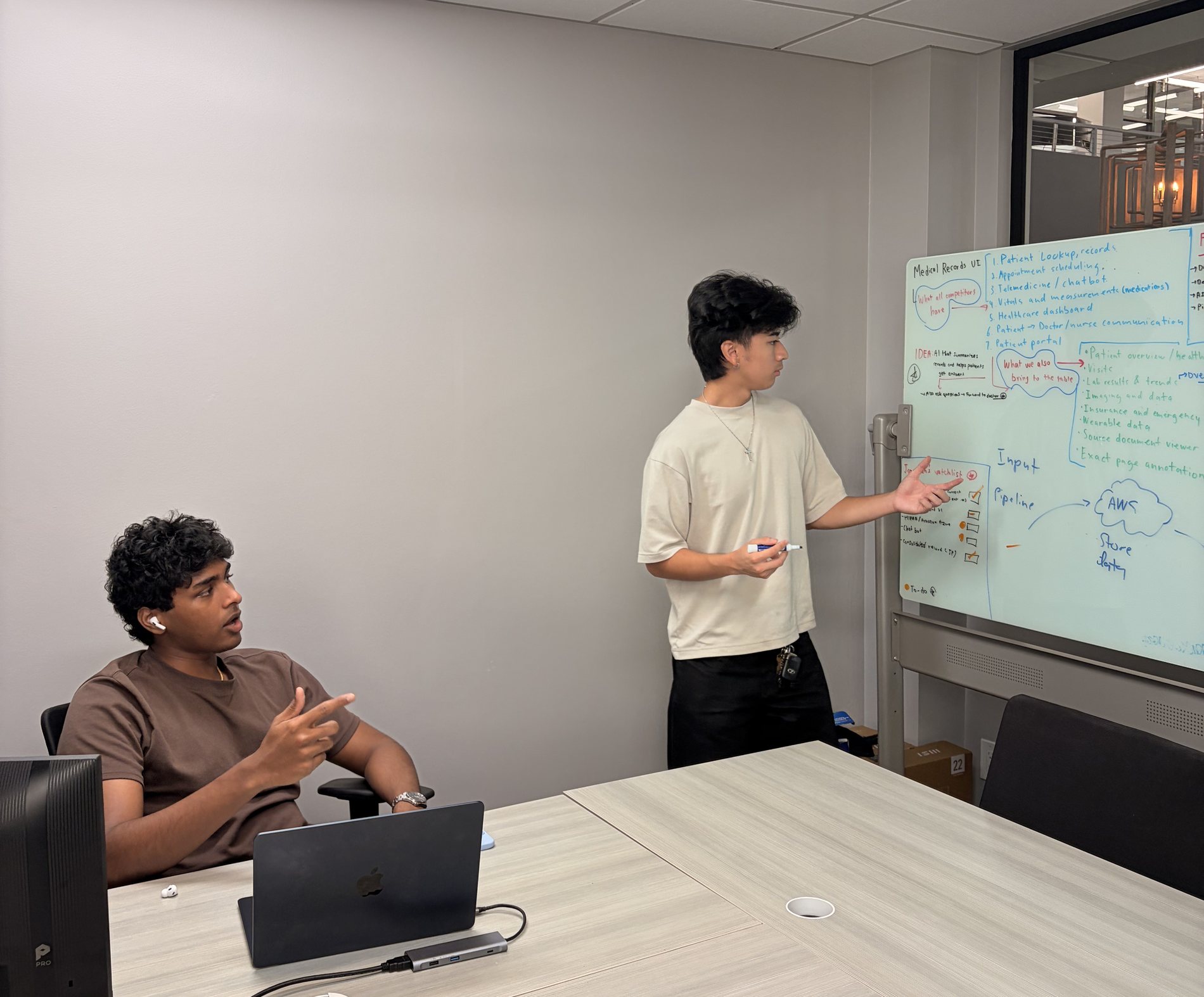
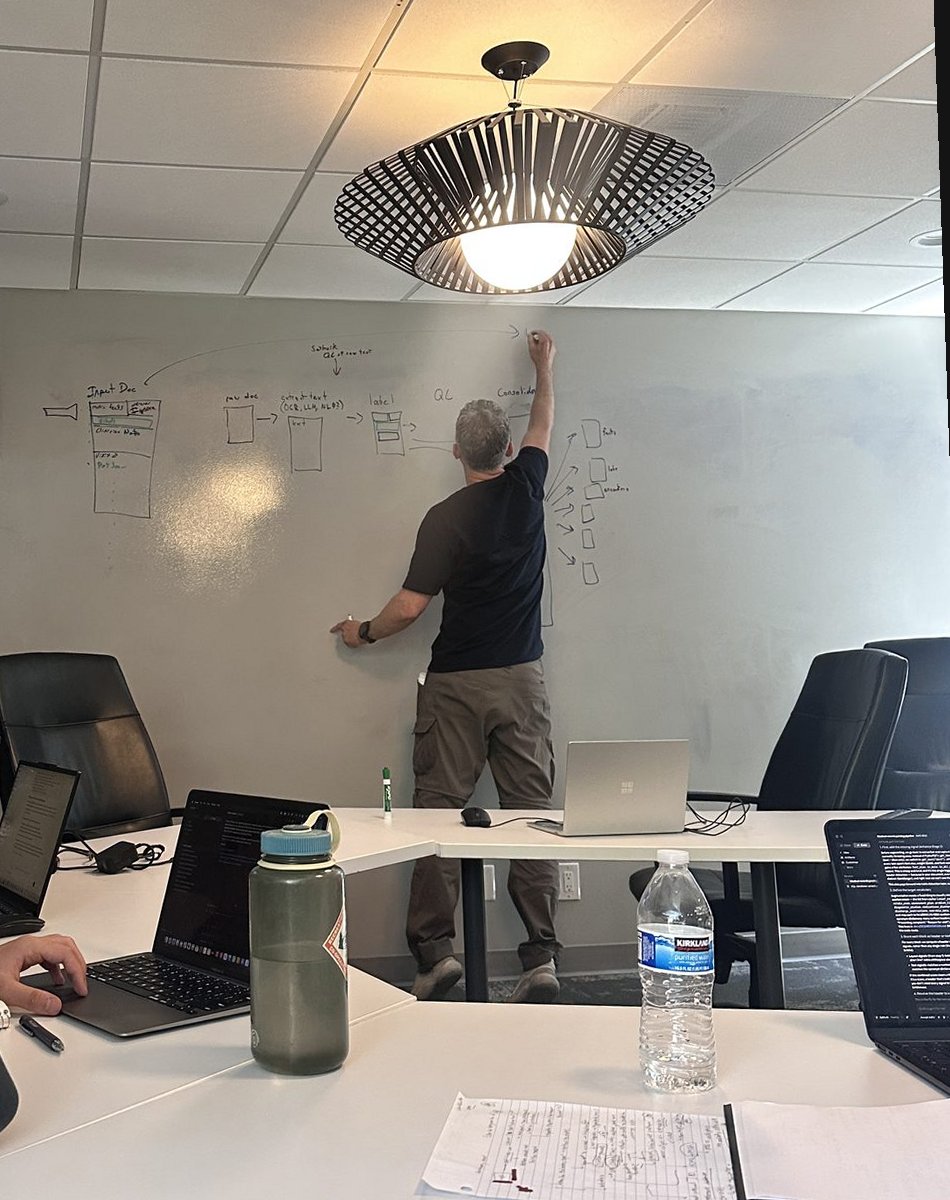
The Medical Records team spent the summer turning fragmented health records into one structured history. Sathvik Guntha led the project end to end, from parsing messy source documents into structured data to building the interface people use to look through the results. Andrew Pham and Angel Mencia worked on the development side, including document parsing, wearable-data integration, and getting different record types to move through the pipeline cleanly. By the end of the summer, what started as a parsing problem had turned into a nearly complete pipeline with a working front end taking shape.
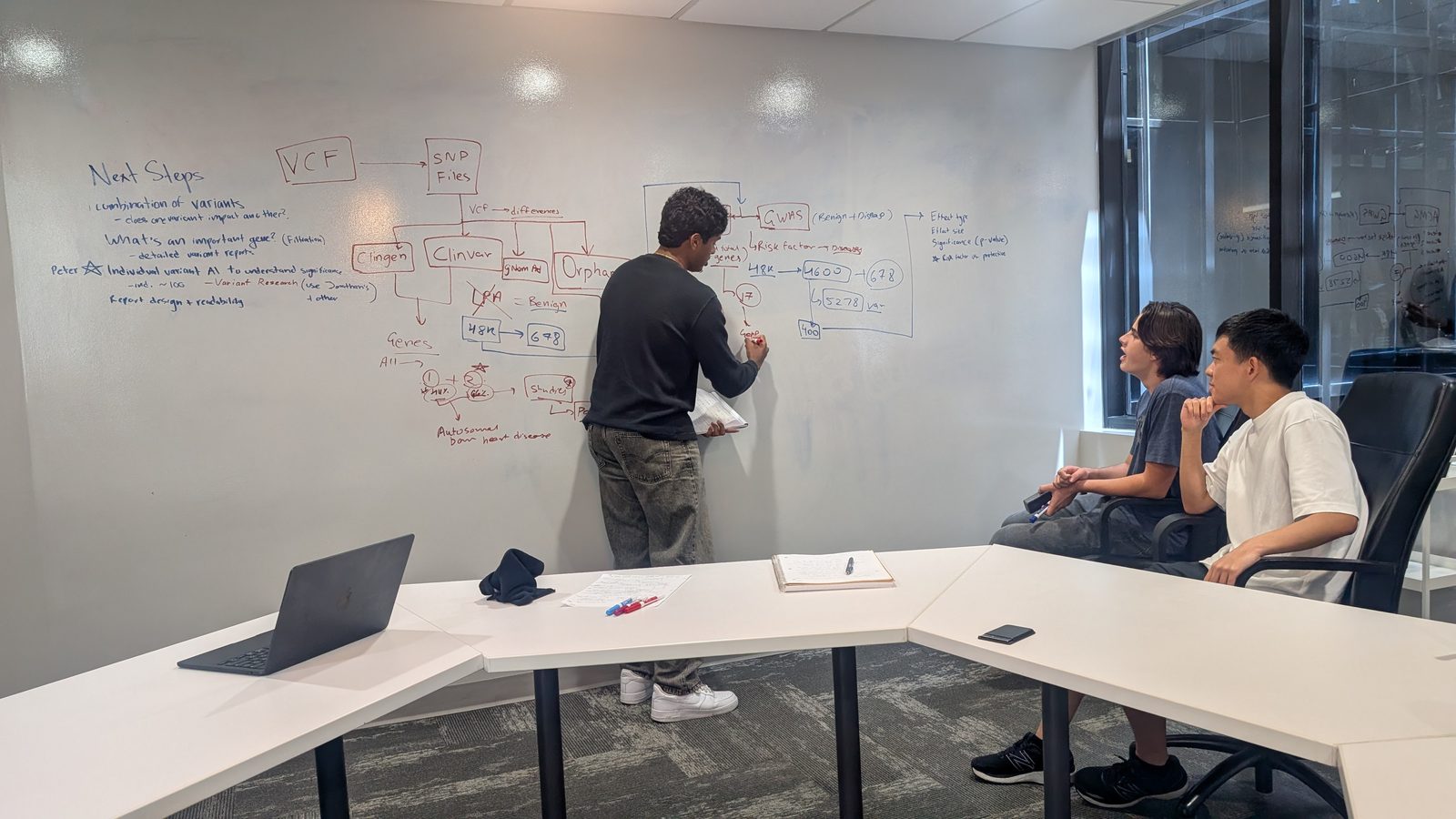
On the genomics side, the Bioinformatics team kept working on the whole-genome sequencing pipeline, starting with a hard question: how do you connect genomic evidence sources and decide how much weight each one carries in a variant call? The team pulled in resources like ClinVar, ClinGen, gnomAD, CPIC/ClinPGx, the ACMG Secondary Findings list, GWAS Catalog, and Orphanet, and built out filtering logic for different tiers of genomic significance. Peter Wang led most of the validation work, going variant by variant to figure out how different pieces of evidence should be weighed. Getting a genomic pipeline running turned out to be the easy part. Deciding whether a given finding actually belongs in the final report takes real review and scientific judgment.
Angel Mencia also led most of the work on Chippy, our internal agentic system for navigating the company's growing pile of shared knowledge. It's built to handle multiple users and workflows at once: retrieving information, calling tools, transcribing meetings, drafting documents, and keeping shared context organized. Building it out taught the team a lot about where complex agentic systems actually break down. Feeding an agent more information doesn't automatically make it more reliable; retrieval, how you construct context, evaluation, tool execution, and observability all matter just as much.
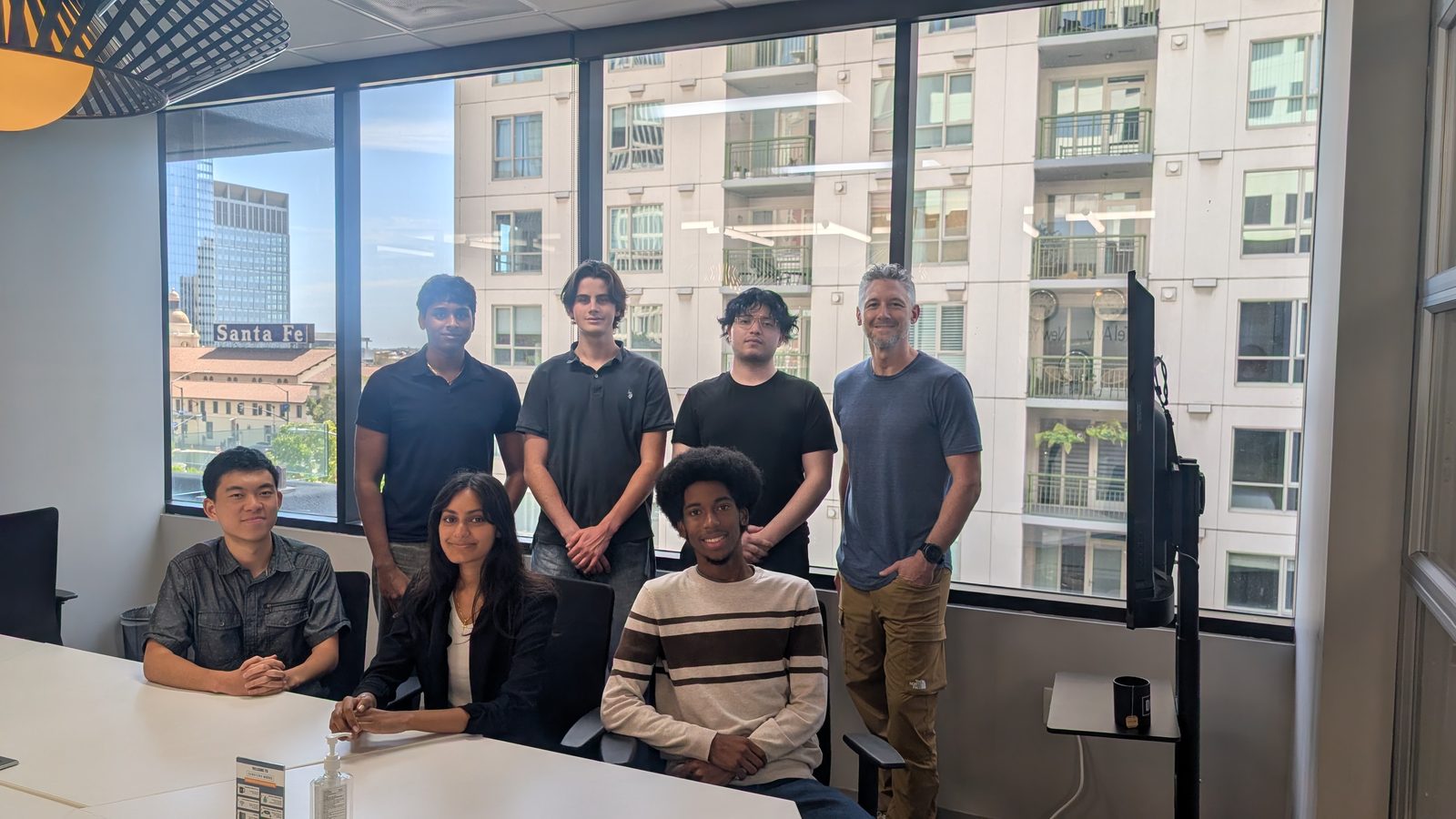
As the technical projects took shape, Nirel Indurkar worked on the company's public-facing side: website design, UI/UX, branding, blog content, and LinkedIn, turning the genomics, medical records, and software work into a visual and written identity that actually reflected what the team was building. She also worked directly on the sequencing pipeline, bringing her bioengineering background to VCF data, annotation, filtering, and evidence review alongside the Bioinformatics team. Across every project, founder and CEO Jonathan Price stayed closely involved through regular mentorship and one-on-one check-ins, giving interns the room to take ownership of whatever problem they cared most about solving.
The summer program is wrapping up, but the work isn't. Several projects will carry into the school year, including the Medical Records platform and ongoing genomic validation. More than anything they shipped, what stood out this summer was how much ownership each intern had over what they were building, and how directly that work will keep shaping Flashlight 3D as it grows.